Services at Boston Osteopathic Health
Every visit to our osteopathic practice in Boston is shaped around you, your story, and your comfort level.

What to Expect at Your Osteopathic Visit
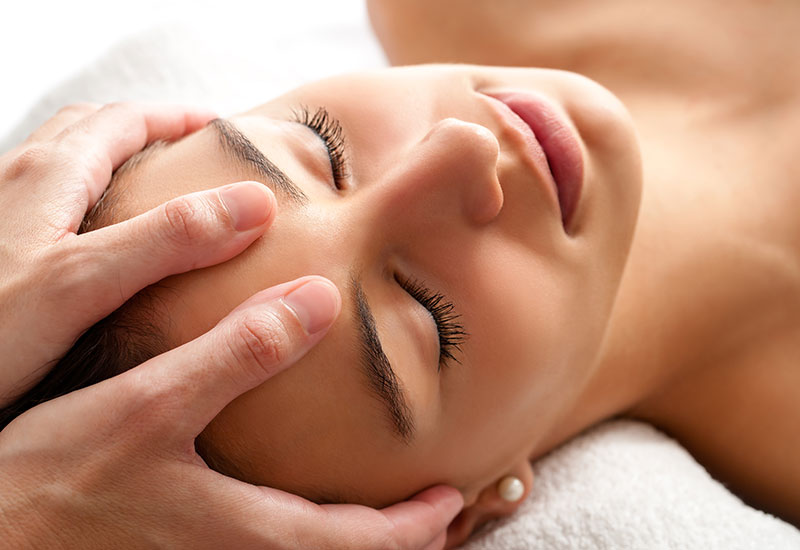
Most of our appointments start with a conversation. We’ll ask you questions about your health history, your daily life, and what you’d like support with. From there, you’ll have an osteopathic physical examination and, if appropriate, a hands-on evaluation to free the areas of the body in which motion has become restricted.
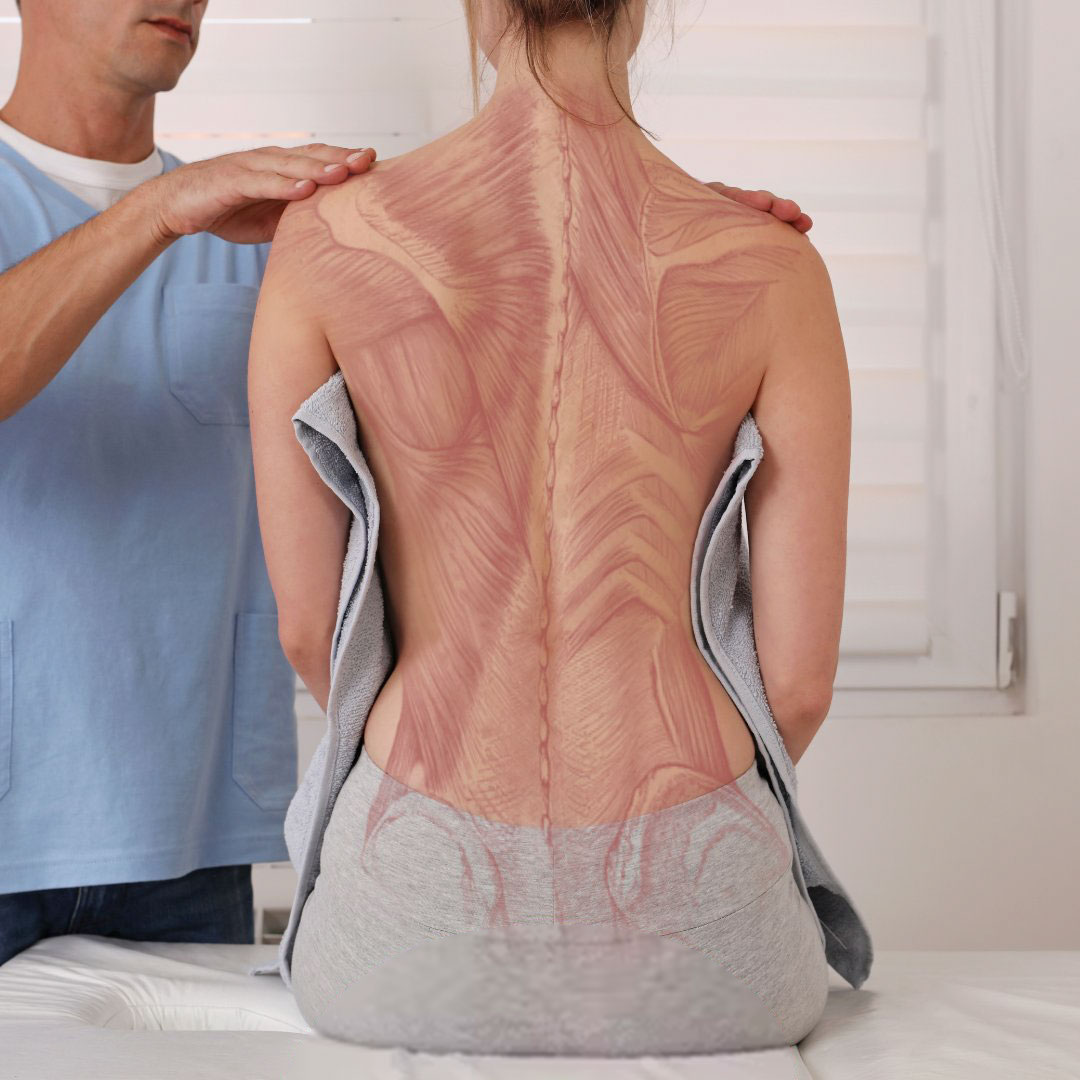
Treatment typically takes place while you’re lying down on a padded table with your shoes off. Your physician may place their hands on different areas (such as your back, head, or pelvis) to feel how things are moving. Sometimes, the techniques are very subtle, like light pressure or gentle repositioning; other times, they involve a slight stretch or adjustment.
What Techniques Are Used During Osteopathic Treatment?
Every osteopathic visit is tailored to the person on the table, and everyone feels something different during their visit. Some people will notice changes immediately, while others just feel deeply relaxed. Depending on what is going on in your body that day, your DO may use a variety of gentle, hands-on techniques.
Most techniques use very little force and often feel like nothing more than a supportive touch; other times, you may notice a small, quick movement. However your body responds to treatment, our DOs will help guide you through it.

Preparing for Your Appointment
Here are some recommendations we have to prepare for your appointment:
- All patients are treated while fully clothed. Wear loose, comfortable clothing; pants are preferred.
- Avoid perfumes and strong fragrances, as some of our patients are chemically sensitive.
- Avoid stimulants. It helps your treatment if you are as relaxed as possible before your treatment, so it’s best to hold off on consuming any caffeine or nicotine right before your session.
After Your Session
After your session, it is common to feel calm, lighter, and/or more peaceful, almost as if your body has let out a long exhale. Some people report feeling more energized, while others want a nap. Occasionally, patients experience one or two days of feeling tired or mildly sore.
We suggest taking it easy for a couple of days. Be sure to stay hydrated, get good rest, and go easy during any workouts. We also recommend avoiding excessive caffeine and alcohol. Your osteopath may give you more recommendations specific to your needs.
Osteopathic Care for Infants and Children in Boston
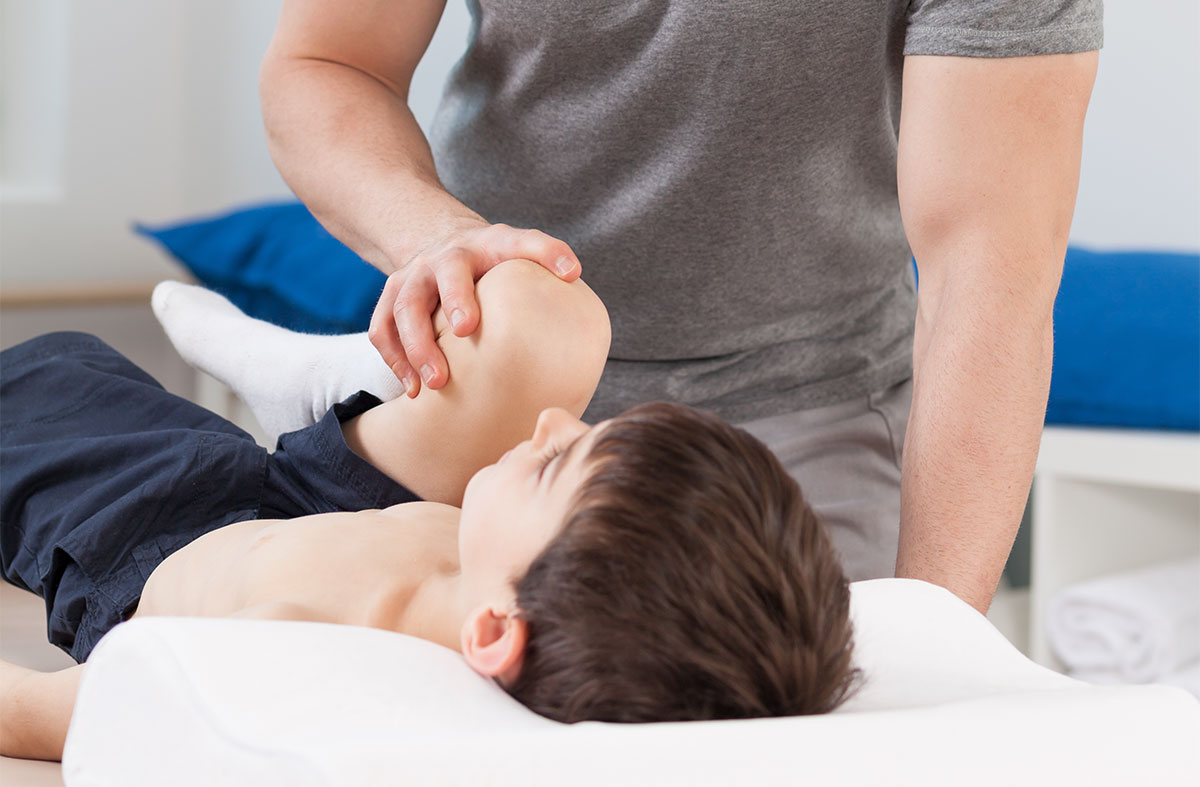
Families often seek osteopathic care for their little ones, from newborns to teenagers. Osteopathic sessions for children look a little different than those for adults. The DO uses very gentle, age-appropriate techniques, always with your child’s comfort in mind.
Babies and kids respond in their unique ways; some are calm and even fall asleep during treatment, while others may wiggle, fuss, or cry for a bit. All of these responses are normal. Parents are encouraged to bring along familiar comforts, a toy or a blanket, for example, to help their child feel more at ease during the session.
It’s not uncommon for children to seem more relaxed afterward, and some parents notice their baby sleeps more soundly that evening. Because growth and development bring constant changes, some families choose to schedule periodic visits throughout childhood as their child’s needs evolve.
Osteopathic Care as Part of Your Complete Treatment Program
At Boston Osteopathic Health, we understand that there isn’t a ‘one-size-fits-all’ when it comes to your health. That’s why we are happy to work with the other members of your health care team, such as your primary care physician, physical therapist, acupuncturist, therapist, or any other health care professional you’re working with.
Your osteopathic physician in Boston may suggest additional supportive care options if they feel it’s necessary. These could include modifications to your diet, massage, acupuncture, or light exercise. Many people find that combining different types of care helps them feel more balanced overall.
When receiving multiple therapies, we typically recommend giving yourself a few days between your osteopathy sessions and other therapies. This will give your body a chance to fully respond to your treatment before starting something else.
Conditions Commonly Treated with OMT Include:

Dental
Orthodontic Problems, TemporoMandibular Joint Syndrome, Malocclusion, Advanced Lightwire Functional Appliance (ALF) dental appliance combination treatment

Neurological
Dizziness and Vertigo, Head Trauma, Migraine Headaches, Post Concussion Syndrome, Post-MVA Inertial Injury [Whiplash], Seizures, Visual Disturbances, Dementia, Parkinsons Disease

Respiratory
Allergies, Asthma, Bronchitis, Frequent Colds, Recurrent Sore Throats

Genetic
Congenital Malformations, Down Syndrome

Pediatric
ADD, ADHD, Autism, Behavioral Problems, Cerebral Palsy, Colic, Developmental Delays, Failure to Thrive, Learning Disorders, Otitis Media [ear infections], Plagiocephaly [misshaped head], Spitting Up, Strabismus [Crossed-Eyes or Lazy Eye], Sucking Difficulties

Ear, Nose, and Throat
Chronic Ear Infections, Chronic Tonsillitis, Sinusitis, Throat Pain, Tinnitus

Somatic
Osteoarthritis, Fibromyalgia, Joint or Muscular Pain

Pregnancy
Back Pain, Groin Pain, Varicose Veins, Prevention of Labor Problems

Digestive
Constipation, Irritable Bowel Syndrome, Nausea, Diarrhea, Inflammatory Bowel Disease

Psychiatric
Anxiety, Depression, Post Traumatic Stress Disorder, Sleep Disturbances

Orthopedic
Kyphosis, Lordosis, Postural Imbalances, Scoliosis

Genitourinary
Bedwetting, Prostatitis, Urinary Incontinence

Complex Conditions
Multiple Chemical Sensitivity, Chronic Tick-borne Illnesses, Complex Regional Pain Syndrome (Reflex Sympathetic Dystrophy), Mast Cell Activation Disorders, Autoimmune Illness
Fill out the contact form and our team will be touch!
"*" indicates required fields